6 Brain-Healthy and Stress-Relieving Foods for Everyone
Senior Helpers Overland Park
For more information about the author, click to view their website: http://www.seniorhelpers.com/ks/overland-park
Aug 14, 2024
Kansas/Missouri - Kansas City

Email US
Click to Email Us
Being mindful of our dietary choices can result in improved cognitive health and emotional stability. The food we consume significantly contributes to these aspects, helping us to feel better, think clearer, and reduce stress levels.
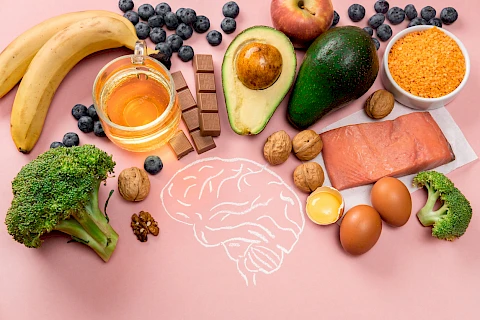
Senior Helpers Overland Park will explore the wonderful world of nutrition and its impact on our brain and emotional health. We've compiled a list of brain-healthy and stress-relieving foods that are beneficial for everyone—from seniors looking to boost their cognitive abilities to caregivers needing a little help managing stress.
Nutrition and Brain Health
Certain nutrients help to enhance memory and cognition and delay brain aging. This is particularly beneficial for seniors, who are often at risk of cognitive decline. Seniors can stimulate brain function and maintain their mental health by incorporating brain-friendly foods in their diet.
Nutrition and Stress Management
Just as foods can boost your brain health, they can also aid in managing stress levels. The body's response to stress can be intensified by inadequate nutrition. A well-balanced diet can promote resilience towards stress and foster feelings of well-being. Caregivers, who often face high stress levels due to their demanding roles, can greatly benefit from this aspect of nutrition.
In the same vein, good nutrition can be pivotal in mood regulation. What we eat can impact our brain structure, brain chemistry, and, subsequently, our emotions. Foods rich in certain vitamins, minerals, and fatty acids can help regulate our emotions and reduce the risk of mood disorders. This is significant for everyone, seniors and caregivers alike.
Fuel Your Mind and Mood With These Foods
Here are 6 brain-healthy and stress-relieving foods to add to your grocery list:
Blueberries
Don't underestimate the power of these tiny fruits! Blueberries are bursting with antioxidants, vitamin C, and fiber. These nutrients work together to delay brain aging, improve memory, and protect your brain cells from damage.
Dark Chocolate
Craving a sweet treat? Look no further than dark chocolate! This delicious indulgence contains flavonoids, caffeine, and antioxidants. These components not only benefit your brain health but also possess mood-boosting properties, making it a great stress reliever in moderation.
Broccoli
This versatile vegetable is a powerhouse of nutrients for your brain. Packed with antioxidants and vitamin K, broccoli is believed to support cognitive function and promote brain health.
Pumpkin Seeds
These tiny nutritional powerhouses are a fantastic source of brain-friendly nutrients. Pumpkin seeds are rich in antioxidants, magnesium, iron, zinc, and copper. These minerals are essential for maintaining cognitive function and overall well-being.
Turmeric
This vibrant spice has gained popularity for its numerous health benefits. The active ingredient in turmeric, curcumin, boasts impressive brain-protective properties. Curcumin can cross the blood-brain barrier and enhance the brain's oxygen intake, keeping you alert and focused.
Oranges
As a rich source of vitamin C, oranges are a champion for brain health. Vitamin C plays a vital role in protecting against mental decline and improving overall cognitive function.
Adding these brain-boosting and stress-relieving foods to your diet is simple and enjoyable! Explore different ways to incorporate them into your meals and snacks. For instance, sprinkle blueberries and oranges over your morning cereal or yogurt. Enjoy dark chocolate squares in moderation as a delightful treat. Turmeric can be added to soups, stews, or even teas for a subtle flavor boost. Roasted pumpkin seeds are a delicious and healthy snack, and broccoli can be enjoyed in a variety of dishes, from salads to stir-fries. Remember, a balanced diet rich in these power foods nourishes your body, mind, and emotional well-being.
Senior Helpers Offers Nutrition Assistance and Support
Nutrition is crucial in maintaining our overall health, particularly brain health and emotional stability. By making conscious dietary choices, we can manage our stress levels, enhance cognitive health, and regulate our emotions. Whether you are a senior aiming to boost brain function or a caregiver looking for stress management strategies, incorporating these brain-healthy and stress-relieving foods into your diet can be a game-changer.
For those in Overland Park, Olathe, Johnson County, and Prairie Village needing assistance with senior care, a healthy diet, or stress management, contact us at Senior Helpers Overland Park. We proudly provide premium senior care services!
- To view the original version of this article visit www.seniorhelpers.com/ks/overland-park/resources/blogs/2024-06-22/
- Seniors Blue Book was not involved in the creation of this content.
Other Articles You May Like
Nutrition Myths Seniors Should Stop Believing
Plus Fitness & Brain Health Tips That Actually WorkWhen it comes to nutrition advice for older adults, there's a lot of noise out there. One article says cut all fat, the next says load up on supplements, and your neighbor swears eating less is just "part of getting older." No wonder so many families and seniors feel confused about what's true.Here at Seniors Blue Book, we talk to families, caregivers, and senior care providers every day who are looking for real, trustworthy answers not fads. So let's clear the air. Below, we're busting the most common senior nutrition myths and sharing some simple, doable tips for fitness and brain health along the way.Myth #1: "Seniors Need Less Food as They Age"This one is everywhere, and it's misleading. Yes, calorie needs often go down slightly with age because muscle mass and activity levels can decrease. But less food doesn't mean less nutrition.In fact, many older adults need more of certain nutrients like calcium, vitamin D, vitamin B12, and fiber even while eating fewer overall calories. That means every bite needs to work harder.The takeaway: Focus on nutrient-dense foods (like leafy greens, eggs, beans, and fatty fish) instead of just cutting portions across the board. Myth #2: "All Fat Is Bad Fat"This myth has been debunked for years, but it still lingers. Healthy fats found in olive oil, avocados, nuts, and fish actually support heart health, brain function, and the absorption of important vitamins.The fats to watch are the trans fats and heavily processed oils found in fried and packaged foods not the naturally occurring fats in whole foods. Myth #3: "Supplements Can Replace Real Meals"Multivitamins and supplements can be helpful when a doctor recommends them for a specific deficiency. But they're not a substitute for real food.Whole foods provide fiber, water content, and a mix of nutrients working together something a pill simply can't replicate.Quick tip: Always check with a physician before starting new supplements, especially if other medications are involved. Myth #4: "Older Adults Don't Need Much Protein"Actually, it's the opposite. As we age, our bodies become less efficient at using protein, which means seniors often need more protein (not less) to maintain muscle mass, mobility, and strength.Good sources include: Eggs Greek yogurt Beans and lentils Fish and poultry Cottage cheese Myth #5: "Thirst Will Tell You When You Need Water"As we age, our sense of thirst naturally declines which means many seniors are dehydrated without even realizing it. Dehydration can contribute to confusion, fatigue, dizziness, and even increase fall risk.How-to: Stay hydrated without overthinking it Keep a water bottle within arm's reach throughout the day. Add naturally hydrating foods like watermelon, cucumbers, and soups. Set a phone reminder if remembering to drink water is a challenge. Limit excess caffeine, which can be dehydrating. Beyond Food: Fitness Tips for Healthy AgingNutrition is only part of the picture. Movement plays a huge role in maintaining independence and quality of life.Simple, Low-Impact Fitness Tips Walking even 1520 minutes a day supports heart health and mood. Chair exercises great for building strength without joint strain. Stretching or gentle yoga improves flexibility and balance, reducing fall risk. Water aerobics easy on the joints, great for cardiovascular health. Brain Health Activities Seniors Can Start TodayJust like the body, the brain benefits from regular "exercise." Here are a few easy ways to keep the mind sharp: Puzzles and word games (crosswords, Sudoku, jigsaw puzzles) Learning something new a language, an instrument, or a hobby Staying social conversation and connection are proven brain boosters Reading regularly even 20 minutes a day helps maintain cognitive function FAQ: Senior Nutrition & WellnessQ: What is the biggest nutrition mistake seniors make? A: Undereating protein and nutrient-dense foods while assuming "less food" is automatically healthier.Q: Do seniors really need more protein than younger adults? A: Yes aging reduces the body's efficiency at processing protein, so intake needs often increase to preserve muscle and strength.Q: Can brain health really be improved through activities? A: Yes. Mentally stimulating activities and social engagement are linked to better cognitive health and slower memory decline.Q: Is dehydration really a serious risk for older adults? A: Absolutely. Reduced thirst signals can lead to dehydration, which raises the risk of confusion, fatigue, and falls. Healthy aging isn't about restriction; it's about giving the body and mind what they truly need. A little truth-checking on nutrition myths, paired with simple movement and mental engagement, can make a meaningful difference in how seniors feel day to day. Are you a senior care or home health provider? Get discovered by the families searching for you. Seniors Blue Book offers a free listing to help boost your visibility right where families are already looking with the option to upgrade for even greater reach and results. Contact us today: [email protected] | Call us: 800-201-9989
Nutrition in Bradenton FL
Eating well may sound simple, but maintaining good nutrition can become surprisingly difficult with age.An older adult who once enjoyed cooking may no longer feel steady enough to stand at the stove. Arthritis can make opening containers or chopping vegetables difficult. Someone who stops driving may struggle to shop for fresh groceries. A hospitalization can leave a person too weak to prepare meals, while memory changes may result in skipped meals or forgotten food in the refrigerator.For families, these changes can be easy to miss at first.A parent may say, I already ate, even when meals have become smaller and less frequent. A spouse may be able to prepare food but feel exhausted by the responsibility every day. Adult children living outside Florida may worry that a loved one is not eating properly but have no practical way to deliver meals themselves.Nutrition services can help fill that gap.In Bradenton and throughout Manatee County, nutrition resources range from home-delivered meals and congregate dining programs to fresh produce distributions and community food pantries.One of the area's longstanding resources is Meals on Wheels PLUS of Manatee, a nonprofit organization whose mission is to help individuals live independently through nutrition and supportive services. The organization began in 1972 and today operates several programs serving seniors, adults with disabilities, families, and others throughout Manatee County.What Are Senior Nutrition Services?Senior nutrition services help older adults obtain regular access to food when physical limitations, transportation, finances, health conditions, social isolation, or other circumstances make eating well more difficult.The National Institute on Aging recommends choosing a variety of nutrient-dense foods across food groups, including vegetables, fruits, grains, protein foods, dairy or appropriate alternatives, and healthy oils. NIA also notes that older adults can face practical barriers to healthy eating, including difficulty shopping, reduced appetite, limited budgets, and problems chewing or swallowing.Nutrition Is About More Than CaloriesFor older adults, a meal can support much more than hunger relief.Consistent access to food can help people maintain energy for everyday activities and avoid the stress of having to shop or prepare every meal independently.Nutrition programs may also provide something equally valuable: regular human contact.A home-delivered meal brings a person to the door.A community dining program creates a reason to leave the house.A produce distribution can connect someone with fresh foods that may otherwise be difficult to obtain.This connection between nutrition, independence, and social support is one reason community meal programs play such an important role in senior services.Meals on Wheels PLUS of Manatee in BradentonMeals on Wheels PLUS of Manatee is located at 811 23rd Avenue East, Bradenton, FL 34208.The organization's main phone number is 941-747-4655.Seniors Blue Book currently lists Meals on Wheels PLUS of Manatee under the Nutrition category, along with related categories such as Food Resources, Adult Day Services, and Volunteer Opportunities.The organization describes its mission as helping individuals live independently by providing nutrition and caring, supportive services.More Than a Meal-Delivery ProgramMeals on Wheels PLUS began in 1972 with the purpose of providing nutritious meals to older and disabled residents of Manatee County.As community needs expanded, so did the organization.Today its major programs include: Home-delivered Meals The Food Bank of Manatee Friendship Dining Centers Daybreak Adult Day Center The PLUS reflects this broader range of services.For families looking specifically for nutrition support, Home-delivered Meals, Friendship Dining, fresh produce programs, and The Food Bank of Manatee are particularly relevant.The Program's Local ImpactMeals on Wheels PLUS reported that in 2024: More than 190,000 meals were served to Home-delivered Meal clients. An average of 535 homebound and disabled seniors were served through the program each month. Nearly 19,500 pounds of fresh produce were delivered through Produce on Wheels. Supplemental food and pet food also reached eligible clients. More recently, a 2026 update from the organization reported that its Produce on Wheels program was reaching nearly 750 homebound and disabled residents with fresh produce each month.These figures show how nutrition assistance extends beyond a single prepared meal.Why Nutrition Services Matter in BradentonNutrition resources are particularly important in Bradenton because older adults represent a substantial share of the local population.According to current U.S. Census Bureau QuickFacts data, approximately 28.1% of Bradenton residents are age 65 or older.Bradenton's estimated population reached approximately 58,014 residents as of July 1, 2025.Across Manatee County, the numbers are even larger.The Census Bureau estimates that 29.4% of Manatee County residents are age 65 or older, while the county's population reached approximately 468,200 in 2025.That means nearly three out of every ten county residents are age 65 or older.Transportation Can Become a Nutrition BarrierBradenton and Manatee County cover a broad geographic area.An older adult who no longer drives may have difficulty getting to: Grocery stores Food pantries Community dining sites Farmers markets Medical appointments Transportation limitations can turn a manageable nutrition problem into a serious one.Home delivery and mobile food distributions help bring resources closer to the people who need them.How to Get Started With Nutrition Assistance in BradentonFamilies can take a few practical steps to identify the right program.1. Determine the Main Problem2. Consider Home-Delivered Meals for Someone Who Cannot Easily Prepare Food3. Ask About Funding and Eligibility4. Explore Friendship Dining for a Mobile Older Adult5. Use the Food Pantry Map When Food Access Is the Main Concern6. Ask About Fresh Produce Resources7. Talk With a Health-Care Professional About Medical Nutrition Concerns 8. Reassess Needs Over Time Nutrition Support Can Help Seniors Stay Connected to Home and CommunityFor many Bradenton seniors, the challenge is not knowing that nutritious food matters.It is making sure nutritious food is actually available every day.That may require someone to bring meals to the door.It may mean creating a reason to gather with other seniors for lunch.It may involve bringing fresh produce into neighborhoods where transportation is difficult.Or it may mean connecting a family with a nearby pantry when grocery costs become overwhelming.Meals on Wheels PLUS of Manatee addresses nutrition from several directions rather than relying on one program alone.For some older adults, that support may become one of the practical pieces that makes continued independence at home possible.Related Seniors Blue Book CategoriesNutrition often overlaps with other senior services. Consider adding internal links to these Bradenton-area Seniors Blue Book categories when publishing: Food Resources Home-Delivered Meals Adult Day Services
Tips for a Healthy Start to the Day
Starting your day on a positive and healthy note can set the tone for the rest of your day. Here are some tips to help you achieve a balanced and energizing morning routine. Practice GratefulnessBeginning your day with gratefulness can improve your mood and overall outlook on life. Here are a few ways to incorporate gratitude into your morning: Gratitude Journal: Spend a few minutes writing down three things you are grateful for. They can be as simple as a warm cup of coffee or a supportive friend. Mindful Reflection: Take a moment to reflect on the positive aspects of your life. This can be done during meditation or while enjoying a peaceful breakfast. Affirmations: Start your day with positive affirmations. Remind yourself of your strengths and the good things in your life. Eat a Healthy BreakfastA nutritious breakfast fuels your body and mind, helping you stay focused and energized throughout the morning. Consider these options for a balanced meal: Whole Grains: opt for whole-grain cereals, oatmeal, or whole-wheat toast for sustained energy. Protein: Include a source of protein such as eggs, Greek yogurt, or a handful of nuts to keep you full longer. Fruits and Vegetables: Add fresh fruits or vegetables to your breakfast for essential vitamins and fiber. A smoothie or fruit salad is a great way to include these. Hydration: Dont forget to drink water. Staying hydrated is crucial for optimal body function. Incorporate Physical ActivityEngaging in some form of physical activity in the morning can boost your energy levels and improve your mood. Here are some suggestions: Stretching: Spend a few minutes stretching your muscles to increase flexibility and reduce tension. Walking or Jogging: A brisk walk or jog can invigorate your body and mind, preparing you for the day ahead. Yoga or Pilates: These exercises can enhance your strength, balance, and mindfulness. Plan Your DayTaking a few moments to plan your day can increase productivity and reduce stress. Consider the following steps: To-Do List: Write down your tasks and prioritize them. This helps in organizing your time effectively. Set Goals: Identify your goals for the day, no matter how big or small, to keep you focused and motivated. Schedule Breaks: Remember to schedule short breaks to recharge throughout the day. Starting your day with these healthy habits can lead to improved well-being and a more positive outlook. Embrace each morning as a new beginning and an opportunity to nurture your body and mind. If you are a caregiver and need some personal time, please contact our staff at Danville to schedule some time for these breaks. 801 363-1521.